




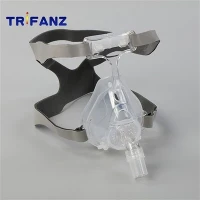
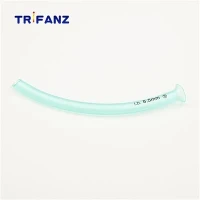
Oropharyngeal Airway
What Is Oropharyngeal Airway
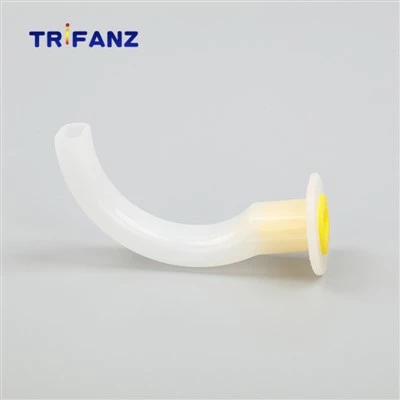
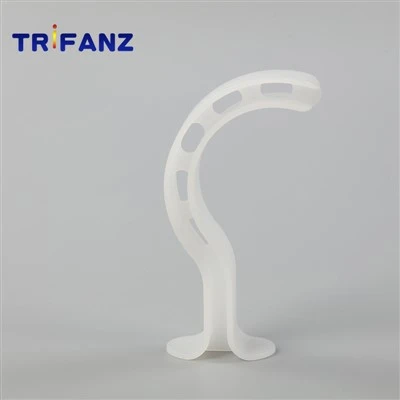
An oropharyngeal airway (also known as an oral airway) is a medical device called an airway adjunct used in airway management to maintain or open a patient's airway. It does this by preventing the tongue from covering the epiglottis, which could prevent the person from breathing. When a person becomes unconscious, the muscles in their jaw relax and allow the tongue to obstruct the airway. Oropharyngeal airways come in a variety of sizes, from infant to adult, and are used commonly in pre-hospital emergency care and for short term airway management post anaesthetic or when manual methods are inadequate to maintain an open airway.
Advantages of Oropharyngeal Airway
Airway patency:Oropharyngeal airways help maintain a clear airway by preventing the tongue from obstructing the upper airway, ensuring effective ventilation and oxygenation.
Facilitates ventilation:By displacing the tongue and keeping the airway open, oropharyngeal airways facilitate ventilation, especially in unconscious or sedated patients.
Easy use:Oropharyngeal airways have a simple design, making them easy to insert and use, even in high-stress situations or when rapid airway management is required.
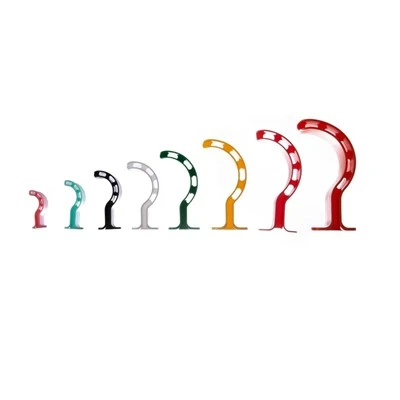
Various sizes available:Oropharyngeal airways come in different sizes to accommodate patients of various ages and anatomies, ensuring proper fit and effectiveness.






Our factory
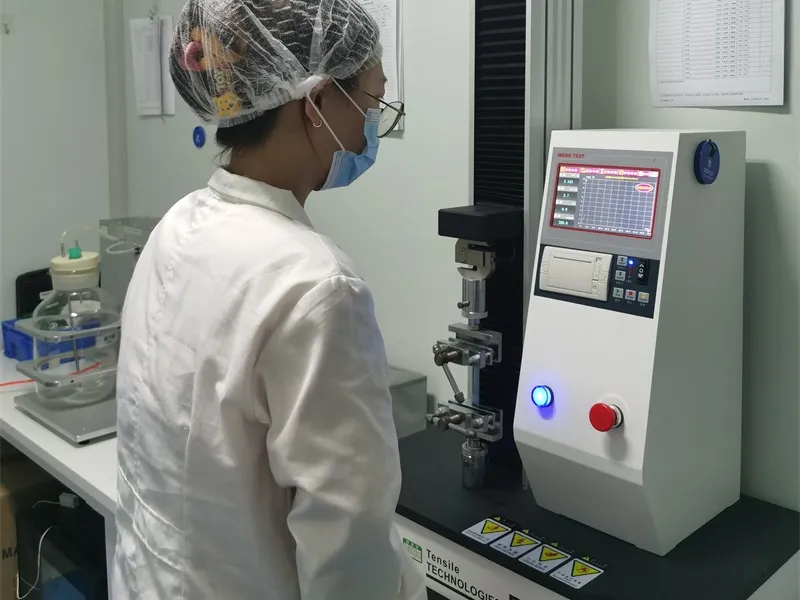
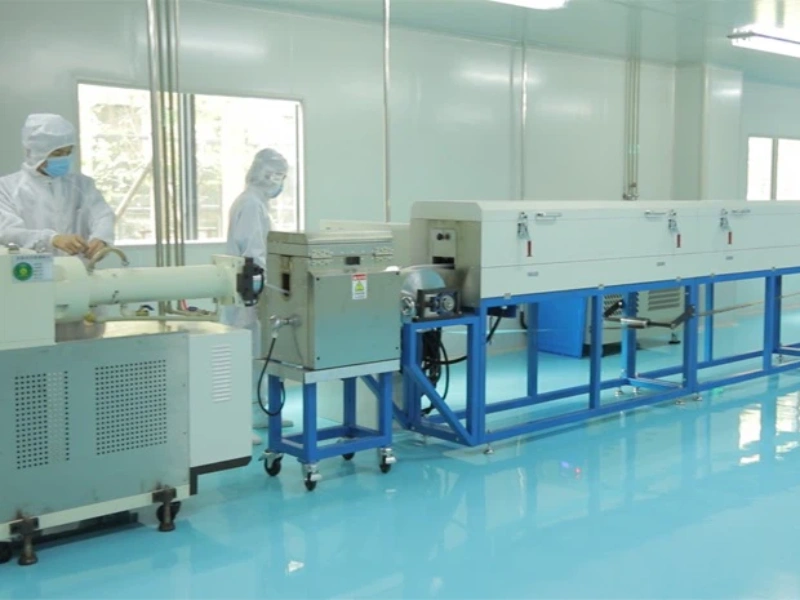
HangZhou Trifanz Medical Device Co., Ltd is located in the vibrant bio-industrial park of LinPing, Hangzhou. The park enjoys a beautiful environment and convenient transportation. We have own the production site: 1000 square 100,000 GMP clean workshops.
Our certificate
Passed the CE, ISO13485 system certification; can provide OEM / ODM services.
Experienced team
It has its own R&D team. A group of professional and technical personnel with nearly 20 years of experience in the industry.
Our products
Endotracheal tube, laryngeal mask airway, closed suction catheter,anesthesia breathing circuit and so on.
Towels, sheets, or commercial devices as needed for placing neck and head into sniffing position. Forceps (if needed to remove easily accessible foreign bodies), to clear the pharynx as needed. Nasogastric tube, to relieve gastric insufflation as needed. An oropharyngeal airway used concurrently with a nasopharyngeal airway may improve oxygenation and ventilation. Aligning the external auditory canal with the sternal notch may help open the upper airway and establishes the best position to view the airway if endotracheal intubation becomes necessary. The degree of head elevation that best aligns the ear and sternal notch varies (eg, none in children with a large occiput, a large degree in obese patients). The sniffing position—only in the absence of cervical spine injury. Position the patient supine on the stretcher.
Align the upper airway for optimal air passage by placing the patient into a proper sniffing position. Proper sniffing position aligns the external auditory canal with the sternal notch. To achieve the sniffing position, folded towels or other materials may need to be placed under the head, neck, or shoulders, so that the neck is flexed on the body and the head is extended on the neck. In obese patients, many folded towels or a commercial ramp device may be needed to sufficiently elevate the shoulders and neck. In children, padding is usually needed behind the shoulders to accommodate the enlarged occiput. Position the patient supine or at a slight incline on the stretcher. Avoid moving the neck and use only the jaw-thrust maneuver or chin lift without head tilt to manually facilitate opening of the upper airway. Head and neck positioning to open the airway. The head is flat on the stretcher; the airway is constricted. The ear and sternal notch are aligned, with the face parallel to the ceiling (in the sniffing position), opening the airway.
Step-by-step description of oropharyngeal airway procedure. As necessary, clear the oropharynx of obstructing secretions, vomitus, or foreign material. Determine the appropriate size of the oropharyngeal airway. Hold the airway beside the patient’ s cheek with the flange at the corner of the mouth. The tip of an appropriately sized airway should just reach the angle of the mandibular ramus. Next, begin inserting the airway into the mouth with the tip pointed to the roof of the mouth (ie, concave up). To avoid cutting the lips, be careful not to pinch the lips between the teeth and the airway as you insert the airway. Rotate the airway 180 degrees as you advance it into the posterior oropharynx. This technique prevents the airway from pushing the tongue backward during insertion and further obstructing the airway.
When fully inserted, the flange of the device should rest at the patient’ s lips. Alternatively, use a tongue blade to depress the tongue as you insert the airway with the tip pointed to the floor of the mouth (ie, concave down). Use of the tongue blade prevents the airway from pushing the tongue backward during insertion. Ventilate the patient as appropriate. Monitor the patient and identify and remediate any impediments to proper ventilation and oxygenation. Secure the oropharyngeal airway if it should remain in place (eg, during mechanical ventilation after oral endotracheal intubation).
Regarding the Sizes of the Oropharyngeal Airway for Different Ages
Infants (0-1 year):Utilize pediatric sizing guides or color-coded indicators tailored to this age group. Employ a gentle approach during insertion, considering the delicate nature of the infant's airway. Choose smaller-sized oropharyngeal airways that suit the measured dimensions.
Children (1-8 years):Consider the developmental stage of children within this age range. Pediatric oropharyngeal airways are often color-coded for swift identification. Utilize weight-based measurements to ensure the chosen airway aligns with the child's weight.
Adolescents (8-12 years):As patients transition from childhood to adolescence, anticipate a gradual increase in airway dimensions. Transition to adult-sized oropharyngeal airways smoothly as needed. Confirm that the selected airway neither surpasses nor falls short for the adolescent patient, aiming for optimal fit during emergency interventions.
Adults (12 years and older):Recognize that adults typically require larger-sized oropharyngeal airways. Base measurements on the distance from the mouth's corner to the jaw's angle. Choose the correct size to enable effective ventilation while minimizing the risk of complications like airway obstruction or soft tissue trauma. Ensuring proper sizing of oropharyngeal airways is vital for maximizing effectiveness and minimizing complications. The approach to sizing varies across age groups, accounting for anatomical differences and specific patient requirements.
Your Expert Guide to Inserting Oropharyngeal Airways the Right Way
Respiratory failure is a serious and potentially deadly event that requires immediate attention. Fortunately, timely airway management can help prevent permanent damage and save lives. When standard airway management steps (e.g. repositioning the airway, suctioning, etc.) don’ t provide enough relief for the patient, caregivers must take further action.
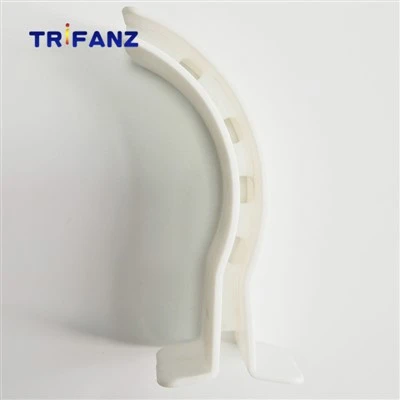
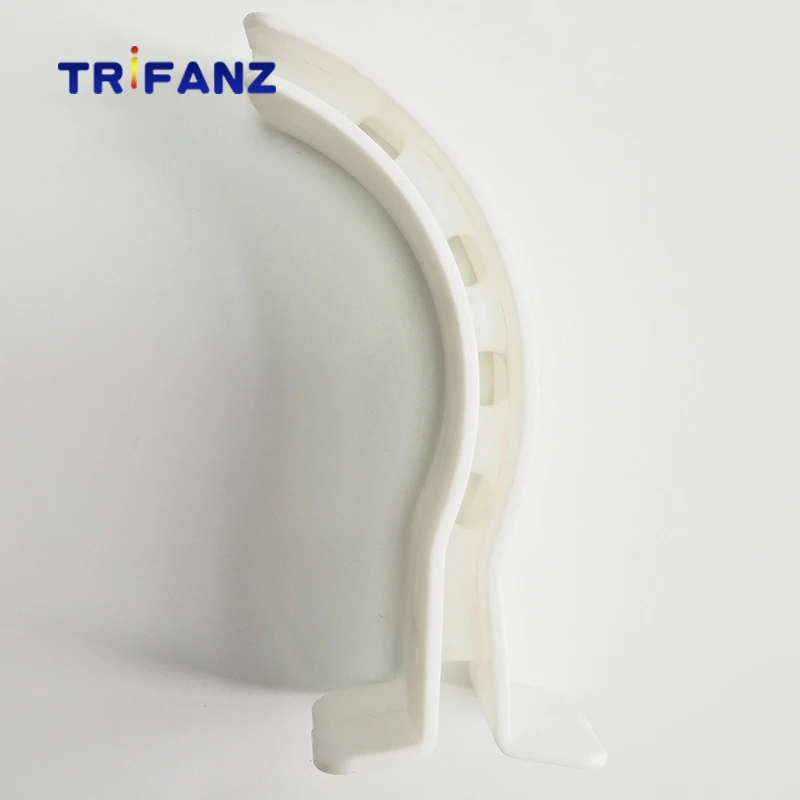
One way that medical professionals can help manage the airway is by using airway adjuncts such as an oropharyngeal airway. Oropharyngeal airways also known as a Guedel airway or OPA is a type of airway adjunct designed to help medical caregivers combat airway obstructions that may be exacerbating or causing respiratory failure. These tools have four distinct parts: a body, a tip, a flange and a channel. They are available in a wide range of sizes suitable for both adults and children. It helps keep the airway open by moving the tongue and parts of the throat forward so that an unconscious or anaesthetised patient can still breathe.
One of the primary indications for oropharyngeal airway insertion is unconsciousness. When a patient loses consciousness, they may inadvertently relax their jaw, which can cause the tongue to lodge itself in the airway. If a patient doesn’ t respond to the jaw thrust or head tilt-chin manoeuvre, this also indicates a need. Perform any necessary primary measures to open the airway. Select the correct airway size. Open the mouth and clear it of any vomit, blood, or other secretions. Carefully insert the OPA over the tongue. The tip should point towards the roof of the mouth. Gradually lead the device to the back of the throat. Gently rotate the OPA 180 degrees as it advances to the back of the throat. It should now be resting tip down. Monitor and ventilate the patient as needed. Alternatively, you can push the tongue down with a tongue depressor and insert the OPA with the curved body in the correct position facing the tongue. If, at any point, the patient begins to gag, immediately remove the device.
Insertion Techniques of Oropharyngeal Airway
Select the correct hand
Lilt the patient's head backward by placing one hand on the patient's forehead and gently lifting the chin with the other hand. This action helps to align the oral and pharyngeal axes, facilitating easier insertion. Hold the oropharyngeal airway with the curved portion facing upward, using your dominant hand.
Insert the airway
Using the thumb and index finger, gently lift the patient's chin upward to create a sniffing position. This position optimizes the alignment of the airway for successful insertion. Slide the oropharyngeal airway along the roof of the mouth, following the natural curve. Insert it until the flange rests against the patient's lips. Ensure that the airway is not oriented backward, which could cause obstruction.
Confirm placement
Observe the patient's chest rise and fall to confirm effective ventilation. If ventilation is not achieved, reassess the airway placement, and consider alternative methods.
Secure the airway
To prevent accidental displacement, secure the oropharyngeal airway in place using tape or by tying it to the patient's head, particularly in dynamic or transport situations.
Acute respiratory failure is caused by a wide range of etiologies. Progression to cardiopulmonary arrest and ultimately death is likely in the absence of effective and timely airway management. Therefore, one of the primary goals of airway management is to provide adequate ventilation and oxygenation to avoid or halt the progression to cardiopulmonary arrest. Effective and timely airway management is also an essential component of successful cardiopulmonary resuscitation. Airway management is critical in the pediatric population as pediatric airway problems are commonly seen in pediatric and general emergency departments.
Initial steps in airway management include airway positioning maneuvers (for example, head-tilt-chin lift, jaw-thrust), suctioning, supplemental oxygen, and re-positioning of the airway if the previous steps are ineffective. Airway positioning maneuvers place the airway in a neutral position and help move the tongue and palatal tissues away from the posterior wall of the pharynx. When choosing an airway positioning maneuver, one must be cognizant of the possible presence or absence of a cervical spine injury. Suctioning assists with the removal of secretions that could be causing or contributing to airway obstruction. If these steps do not help in maintaining a patent airway or in providing adequate ventilation and oxygenation, then an airway adjunct should be utilized. Airway adjuncts are used to relieve or bypass an upper airway obstruction during airway management. However, upper airway obstruction may be present for several reasons, and airway adjuncts may not be able to relieve or bypass all types of obstruction. Upper airway obstruction may occur from anatomical causes such as choanal atresia, pathological causes such as a tonsillar abscess or adverse effects from patient management such as loss of airway patency during the administration of sedation and/or analgesia.
There are also subsets of patients that are more prone to develop upper airway obstruction. Patients with obesity are at significant risk for upper airway obstruction due to altered upper airway anatomy. Pharyngeal tissues have increased fat deposition causing excess upper airway tissue and an increased likelihood of pharyngeal wall collapse resulting in airway obstruction. This can be exacerbated when patients with obesity are given drugs that depress the central nervous system or have other co-morbidities, such as obstructive sleep apnea (OSA) and/or obstructive hypoventilation syndrome (OHS). The presence of OSA and/or OHS can be associated with increased sensitivity to the respiratory depressant effects of sedatives and opioids increasing the tendency to obstruct the airway.
Pediatric patients, in particular infants and young children, are susceptible to upper airway obstruction. This predisposition is due to the differences between pediatric and adult airways. Infants and young children have a relatively large occiput that causes neck flexion when lying supine. This results in a natural tendency to obstruct the upper airway. They have a proportionally large tongue relative to the size of their oral cavity which also causes a natural obstruction of the airway. Additionally, a shortened thyromental distance in this patient population brings the tongue into proximity of the soft palate. Consequently, this leads to obstruction of the airway. Lastly, compared to adults, infants and young children have larger adenoidal tissue, as well as, more distensible and compliant larger airways which predisposes them to airway obstruction. In general, by the age of eight, the pediatric airway is very similar to that of an adult airway.There are two types of airway adjuncts. One is an oropharyngeal airway, and the other is a nasopharyngeal airway.
HangZhou Trifanz Medical Device Co., Ltd is located in the vibrant bio-industrial park of LinPing, Hangzhou. The park enjoys a beautiful environment and convenient transportation. It is adjacent to Shanghai, Ningbo and other important ports. The company is an integrated science and technology innovation enterprise, mainly engaged in the research, development, production and sales of medical catheters in the fields of respiration, anesthesia, and severe diseases. It has its own R&D team: a group of professional and technical personnel with nearly 20 years of experience in the industry; own The production site: 1000 square 100,000 GMP clean workshops; among the company's employees, more than 80% of college and university staff account for the company's production and operation activities in strict accordance with national and international requirements to run the quality management system cloud operation, passed the CE, ISO13485 system certification; can provide OEM / ODM services.


Certificate


video
FAQ
We're professional oropharyngeal airway manufacturers and suppliers in China, specialized in providing high quality custom service. We warmly welcome you to wholesale cheap oropharyngeal airway from our factory.